EPA releases proposed 2020 Financial Capability Assessment
Upcoming Events
Related News

Key Takeaways
On September 15, the U.S. Environmental Protection Agency (EPA) released its proposed 2020 Financial Capability Assessment (FCA) for the Clean Water Act (CWA), which will help communities plan for water infrastructure improvements. Once finalized, the 2020 FCA will include templates and calculations local governments can use to determine the cost to meet CWA compliance obligations and updates the methodology for evaluating a community’s capability to fund CWA projects/programs. EPA is accepting public comments on the proposed rule, which are due on October 19. To comment, click here, referencing Docket ID No. EPA–HQ– OW–2020–0426.
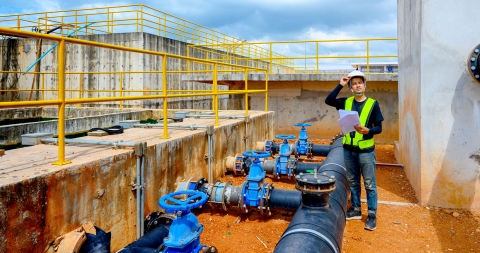
Local governments with public water, wastewater and stormwater utilities are subject to and wide-range of federal CWA compliance obligations. Local authorities are required to make costly investments to upgrade, maintain or replace critical water infrastructure to meet CWA standards. These costs are primarily absorbed by ratepayers, with low-income populations feeling most of the burden. As part of FY 2016 appropriations, Congress directed EPA to review and make recommendations to improve the EPA’s 1997 FCA Guidance by developing implementation schedules that better consider the economic impact of CWA obligations have on low-income populations.
As owners, users and regulators of water resources and infrastructure, counties are directly impacted by the EPA’s proposed rule. In addition, counties invest $134 billion annually in the construction of infrastructure and the maintenance and operation of public works, including public water systems and water infrastructure projects. Click here to view NACo's comments on the proposed rule.

Attachments
Related News

Congress examines PFAS liability and cleanup regulations
On December 18, the U.S. House Energy and Commerce Subcommittee on Environment held a hearing examining the current statutory and regulatory landscape for PFAS. The hearing follows a similar hearing held by the U.S. Senate Environment and Public Works Committee on November 19.

‘Fix-It Fair’ brings new life to damaged items, helps divert waste
Thurston County, Wash. partnered with a non-profit to help residents fix things that are difficult to recycle.

U.S. House of Representatives passes SPEED Act and other permitting reform bills
On December 18, the U.S. House of Representatives passed the SPEED Act (H.R. 4776). The SPEED Act would strengthen county involvement in decision-making and make needed commonsense reforms to the federal environmental review process.