U.S. House passes bipartisan Water Resources Development Act (WRDA) of 2020, legislation awaits Senate action
Upcoming Events
Related News

Key Takeaways
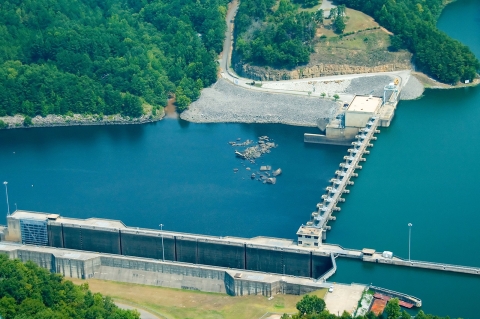
On December 8, the U.S. House of Representatives passed S. 1811, the Water Resources Development Act (WRDA) of 2020 (WRDA 2020), by voice vote. The legislation would authorize $9.9 billion in federal funds for 46 U.S. Army Corps of Engineers (Army Corps) projects, including those that achieve flood control, environmental restoration, coastal protection and other water infrastructure goals, as well as 27 feasibility studies. The bipartisan bill is a compromise measure informally negotiated between House and Senate lawmakers based on each chambers’ respective WRDA bills (H.R. 7575 / S. 3591). The legislation now heads to the Senate where timing on its path forward is less clear.
The two-year authorization bill includes key county priorities, including maintaining a biennial timeline for reauthorizations and fully unlocking the Harbor Maintenance Trust Fund (HMTF), a provision for which NACo has heavily advocated. The $10 billion HMTF unlock continues to be the most contentious item within the measure and appears to remain a sticking point for Senate approval even after release of the conferenced text. Of note, WRDA 2020 does not include drinking water or clean water provisions that have been included in the past, such as in WRDA 2018 and as was proposed in the Senate’s initial 2020 WRDA bill. NACo will work with House and Senate committees of jurisdiction to ensure drinking water and clean water programs are addressed.

The previous law authorizing water resources projects, P.L. 115-270, the America’s Water Infrastructure Act (AWIA) of 2018, expired on September 30, 2020. While it remains unclear if the Senate will vote on WRDA 2020 during the lame duck session, there is still the possibility of its inclusion in a COVID-19 relief package or an omnibus bill that could facilitate easy passage. On December 9, NACo called on Senate leaders to pass WRDA legislation before the beginning of the new Congress on January 3, 2021. County officials are encouraged to contact your U.S. Senators and urge them to pass the conferenced WRDA 2020 text immediately.
As owners, users and regulators of water resources and infrastructure, counties are directly impacted by the policies and funding authorized in by WRDA legislation. At the local level, counties partner with the Army Corps to strengthen local infrastructure and facilitate trade that generates economic activity for the entire country and maintains American competitiveness within the global marketplace. NACo will continue to work with our congressional champions to ensure that WRDA 2020 is enacted into law.
NACo is currently working on a comprehensive analysis of the WRDA 2020 conferenced text. Please find NACo’s analysis of the House’s WRDA bill here and Senate WRDA bill here.
Attachments
Related News

The "Backslash Backlash:" Counties pivot in the data center buildout
Data center development across the country has put a new focus on county policies, how they regulate land use and more for local residents and how they could shape the path for economic growth built around artificial intelligence and information technology.

Chips, Compute and Counties
NACo CEO Matt Chase: "The fundamentals remain the same [when it comes to data centers]: demand a seat at the table, study the supply chain, understand the financing capital stacks, ask hard questions and fight for a deal that leaves your community better off — not used and abused."

Water matters for data centers
Data centers often cluster in a few places, need treated water and use the most when demand is already high in hot weather. This growing demand is driving data center development nationwide, accelerating local proposals and the importance for county officials to understand impacts to energy, land and water resources.