U.S. District Court Orders 2020 Census Counting to Continue Through October 31
Upcoming Events
Related News

Key Takeaways
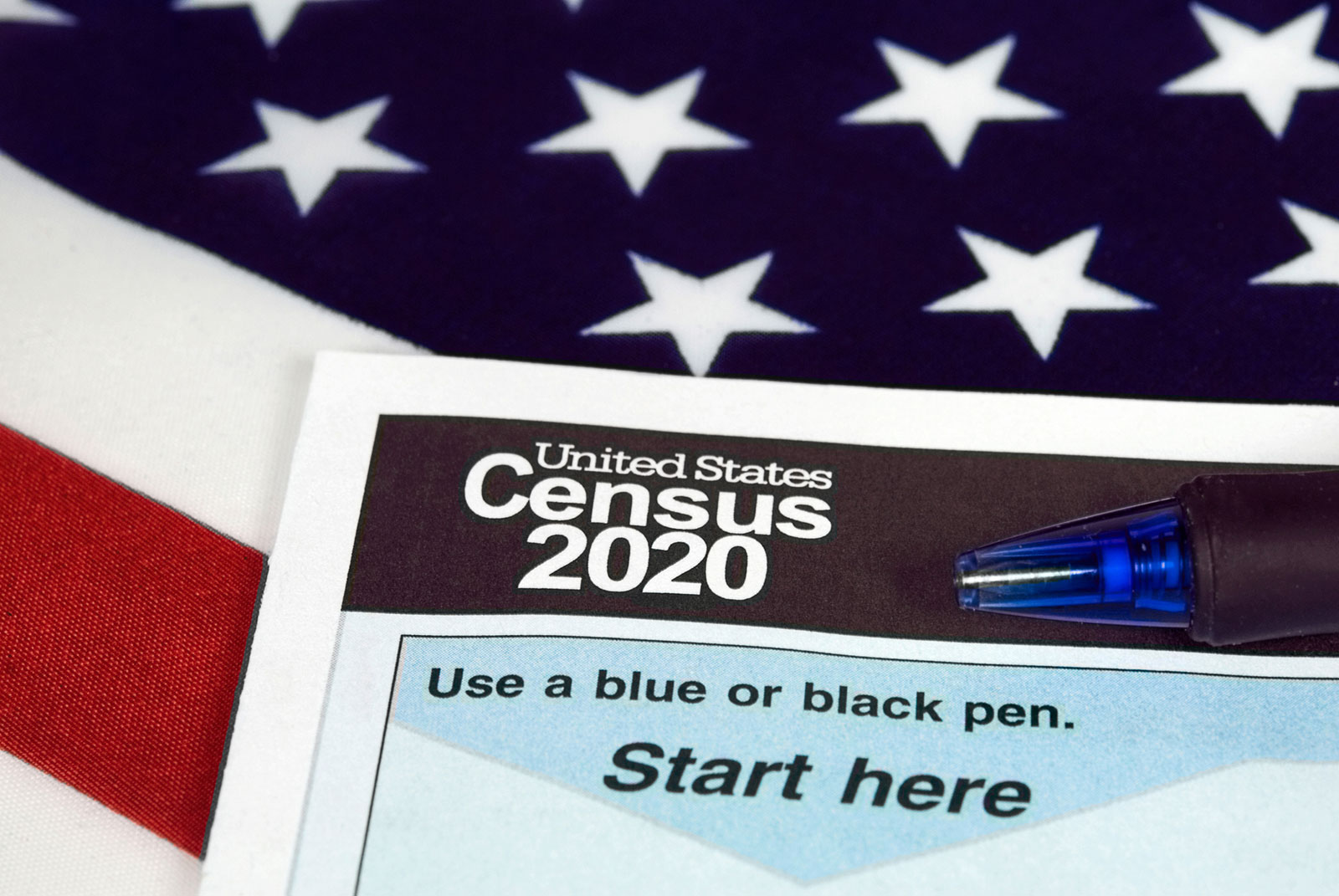
On September 24th, a federal judge in California issued a preliminary injunction that requires the U.S. Census Bureau to continue its resident-counting operations through October 31, 2020. The decision also prevents the Census Bureau from providing apportionment-related data by the end of the year.
The ruling comes in response to a shifting deadline prompted by the coronavirus. Last spring, the census deadline was extended until October 31 and the deadline for reporting totals to the president was extended to April 2021 by the U.S. Census Bureau after data collection had to be halted due to the pandemic.
However, last month, the U.S. Department of Commerce announced an updated plan, shortening the counting deadline to September 30 and set December 31 as the deadline for reporting totals to the President.
The 2020 Census self-response period was originally scheduled to run from March 12, 2020 to July 31, 2020. However, with the onset of the COVID-19 pandemic just six days into this period, the Census Bureau suspended all field operations. As states begun to reopen, the Census Bureau began a phased restart of field operations, including hiring non-response field staff and resuming other census operations on May 4, 2020. In early June, field operations had largely resumed to meet the October deadline.
In addition to the recently announced court order, a bipartisan group of lawmakers introduced the Census Deadline Extensions Act, which would extend two key statutory deadlines for the 2020 Census by four months and require the Census Bureau to continue field operations through October 31, 2020. Counties applaud the introduction of S. 4571, which will help ensure a complete and accurate count for the 2020 Census.
Counties support an accurate and fair census count, which impacts billions of dollars in federal funding for social programs as well as political representation. Since early 2019, counties around the country have been hard at work preparing for the 2020 Census by organizing local Complete Count Committees, coordinating with other governmental partners, and developing relationships with community organizations. To support counties with their work on the 2020 Census, NACo has established a Census 2020 Working Group, which works to highlight the importance of local leadership on census operations.
NACo continues to monitor Census updates and will promote public awareness about the 2020 Census.
To learn more about NACo’s work on the 2020 Census, click here.
Related News

Data center legislation surges as states shift from incentives to oversight
NACo tracked 97 state bills that became law between 2024-2026 governing the new class of hyperscale facilities designed for generative AI and cloud computing.

Congress makes progress on data center legislation
NACo has endorsed data center-related bills aimed at providing electricity cost relief to ratepayers - the House's Ratepayer Protection Act and the Senate's American Affordability and Jobs Act.

County government veterans eye statewide, higher office
Dozens of current and former county officials are running for governor, lieutenant governor and Congress in 2026.