U.S. Census Bureau releases 2020 Census Toolkit
Author

Brett Mattson
Upcoming Events
Related News

Key Takeaways
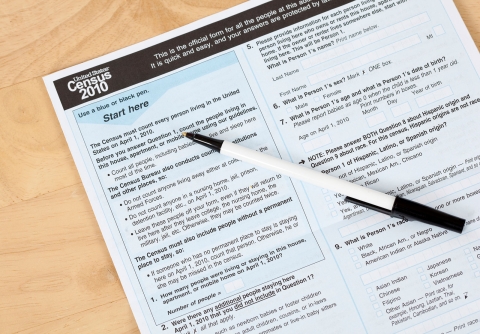
On August 26, the U.S. Census Bureau released the 2020 Census Toolkit for State and Local Officials. The toolkit provides local leaders with resources to help increase response rates to the Census, create public advertising campaigns, access “hard to count” communities and respond to constituent inquiries.
With $900 billion in annual federal funding directed by decennial census results, an accurate and complete count is crucial to ensure federal support for counties reflects each jurisdiction’s full population. Counties are encouraged to take steps to prepare for the Census by organizing outreach efforts and utilizing resources like the toolkit to ensure an accurate count.
NACo appreciates the Census Bureau’s efforts to coordinate with state and local officials and we will continue promoting public awareness about the 2020 Census.
Attachments
Related News

Data center legislation surges as states shift from incentives to oversight
NACo tracked 97 state bills that became law between 2024-2026 governing the new class of hyperscale facilities designed for generative AI and cloud computing.

Congress makes progress on data center legislation
NACo has endorsed data center-related bills aimed at providing electricity cost relief to ratepayers - the House's Ratepayer Protection Act and the Senate's American Affordability and Jobs Act.

County government veterans eye statewide, higher office
Dozens of current and former county officials are running for governor, lieutenant governor and Congress in 2026.